
How the CIA Secretly Funded Abstract Expressionism During the Cold War {April 29th, 2013 via Open Culture}
Considering the possibility of a truly proletarian art, the great English literary critic William Empson once wrote, “the reason an English audience can enjoy Russian propagandist films is that the propaganda is too remote to be annoying.’ Perhaps this is why American artists and bohemians have so often taken to the political iconography of far-flung regimes, in ways both romantic and ironic.
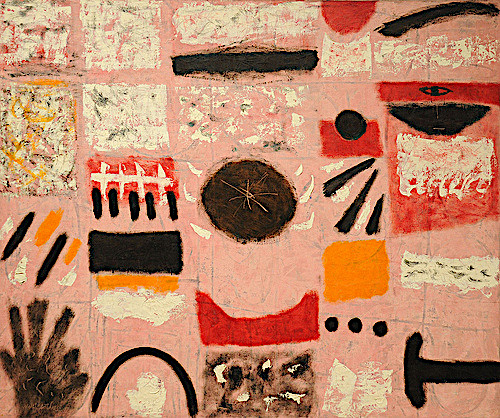
Of course what seems most bizarre about this turn of events is that avant-garde art in America has never been much appreciated by the average citizen, to put it mildly. American Main Streets harbor undercurrents of distrust or outright hatred for out-there, art-world experimentation, a trend that filters upward and periodically erupts in controversies over Congressional funding for the arts. A 1995 Independent article on the CIA’s role in promoting Abstract Expressionism describes these attitudes during the Cold War period:
In the 1950s and 1960s… the great majority of Americans disliked or even despised modern art—President Truman summed up the popular view when he said: “If that’s art, then I’m a Hottentot.” As for the artists themselves, many were ex- communists barely acceptable in the America of the McCarthyite era, and certainly not the sort of people normally likely to receive US government backing.
Why, then, did they receive such backing? One short answer:
This philistinism, combined with Joseph McCarthy’s hysterical denunciations of all that was avant-garde or unorthodox, was deeply embarrassing. It discredited the idea that America was a sophisticated, culturally rich democracy.
The one-way relationship between modernist painters and the CIA—only recently confirmed by former case officer Donald Jameson—supposedly enabled the agency to make the work of Soviet Socialist Realists appear, in Jameson’s words, “even more stylized and more rigid and confined than it was.” (See Evdokiya Usikova’s 1959 Lenin with Villagers below, for example). For a longer explanation, read the full article at The Independent. It’s the kind of story Don DeLillo would cook up.